Blocked communal bins in Pimlico: clearance options
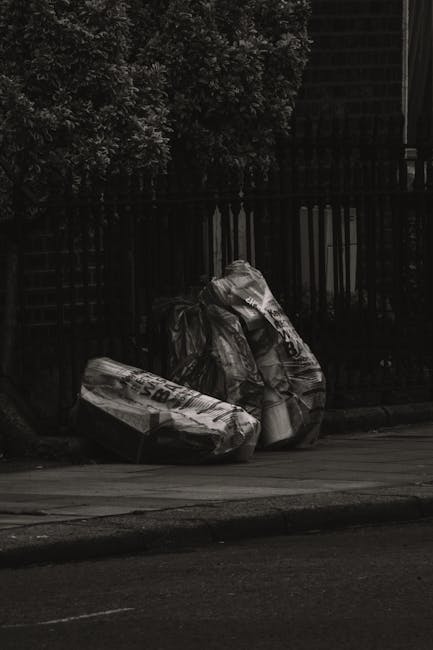
Blocked communal bins are one of those small London problems that can turn into a big one fast. A bin area that should take ten seconds to use suddenly becomes a bottleneck: lids won't close, waste spills out, smells build, and everyone starts wondering who is meant to deal with it. If you're searching for Blocked communal bins in Pimlico: clearance options, you probably want two things at once: a quick fix and a sensible, lasting solution. This guide walks through what's usually causing the blockage, which clearance routes make sense, how the process works in practice, and how to choose the right option without wasting time or money.
To be fair, communal bins are rarely blocked by just one thing. It might be overfilled bags, bulky waste, broken bin lids, fly-tipping, cardboard left flat on the ground, or a mix of all of it. In Pimlico, where flats, managed buildings, mews properties and busy streets all sit close together, the issue can snowball before lunch. Let's break it down properly.
Why blocked communal bins in Pimlico: clearance options matters
When communal bins are blocked, the problem is bigger than an untidy bin store. Waste that can't be deposited properly tends to end up beside the bins, which quickly affects the whole building. You may notice odour, pests, recycling contamination, complaints from residents, and extra cleaning for the managing agent or caretaker. In a place like Pimlico, where many buildings rely on shared bin arrangements, one badly blocked enclosure can affect several households at once.
There's also a practical side. A blocked bin area slows down everyday life. Residents leave bin bags in hallways "just for now", then someone else adds another bag, and by the end of the day the space looks half-used and half-abandoned. That's usually when a straightforward clearance becomes the smarter option. Not glamorous, certainly, but effective.
Clearance matters because communal waste points need flow. Bags have to move out quickly, bulky waste needs removing without blocking access, and the area has to stay safe for the people using it. If that flow breaks down, the site often needs a proper intervention rather than another bag squeezed on top.
Expert summary: A blocked communal bin area is usually a space management issue, not just a waste issue. The best clearance option is the one that restores access, removes contamination, and prevents the same bottleneck from coming back two days later.
Table of Contents
- Why blocked communal bins in Pimlico: clearance options matters
- How blocked communal bins in Pimlico: clearance options works
- Key benefits and practical advantages
- Who this is for and when it makes sense
- Step-by-step guidance
- Expert tips for better results
- Common mistakes to avoid
- Tools, resources and recommendations
- Law, compliance, standards and best practice
- Options, methods and comparison table
- Case study or real-world example
- Practical checklist
- Conclusion
- Frequently Asked Questions
How blocked communal bins in Pimlico: clearance options works
Clearance options usually fall into one of three buckets: a quick tidy and uplift, removal of bulky items or contaminated waste, or a fuller waste removal service for a badly affected bin store. The right choice depends on how blocked the area is and what's actually causing the obstruction.
For example, if the issue is mainly excess sacks and loose cardboard, a same-day or scheduled waste removal visit may be enough. If the bin room contains broken furniture, packaging, renovation debris, or abandoned items, a more comprehensive clearance is often needed. And if the bins themselves are damaged or inaccessible, the service may need to focus on restoring access first so regular collections can resume smoothly.
In practice, a good clearance process is fairly simple. First comes a look at the site conditions. Then the team identifies what needs to be lifted, how much space is available, and whether access is tight. That last bit matters more than people expect. In Pimlico, bin stores can be narrow, tucked behind gates, or shared with parking bays and service routes. A clearance team needs to know what they're walking into.
If your building also has other clearance needs at the same time, such as flat clearance for an overflowing apartment move-out or house clearance for larger household contents, it can make sense to coordinate the work in one visit. That often saves disruption. One trip, one clean finish. Simple enough.
Some blocked communal bins are linked to commercial waste as well, especially where mixed-use properties are involved. In those cases, a broader business waste removal plan may be more useful than treating the bin area as a one-off problem. Truth be told, a bit of planning here goes a long way.
Key benefits and practical advantages
The biggest benefit of choosing the right clearance option is obvious: access is restored. But the real value goes beyond that. When a communal bin area is cleared properly, the whole building tends to feel calmer and more organised. Residents stop improvising, cleaning becomes easier, and the space stops attracting the wrong kind of attention.
Here are the main practical advantages:
- Better hygiene: rubbish is removed before smells and residue spread.
- Improved access: bins can actually be used as intended.
- Less resident friction: fewer complaints about shared spaces.
- Reduced pest risk: less exposed food waste and loose bag overflow.
- Cleaner presentation: useful for blocks with visitors, tenants, or managed entrances.
- Less repeat mess: a proper clearance can reset the area rather than just shuffling waste around.
There's also a reputation element. If you manage a property, you already know that one neglected bin enclosure can make the whole building feel less cared for. That might sound minor, but tenants notice. Guests notice too. People always do.
For buildings that need regular disposal support, a structured clearance route can sit alongside a broader waste removal arrangement, so the problem doesn't keep circling back every week. And if the site includes old chairs, cupboards, shelving or worn-out fixtures dumped beside the bins, it may be worth looking at furniture disposal rather than letting bulky items sit there and block access.
Who this is for and when it makes sense
This kind of clearance is useful for landlords, managing agents, resident associations, block managers, housing providers, letting agents, and anyone who has responsibility for shared bin spaces. It also makes sense for individual residents in smaller blocks when the issue is affecting everyone but nobody is quite sure whose job it is to sort.
A few common scenarios come up again and again:
- A post-move pile-up where several empty boxes and bags were left by the communal bins.
- A bin store blocked by bulky waste after a flat refurbishment.
- An overflow situation after missed collections or poor bin presentation.
- A mixed pile of packaging, broken items, and general household waste left by different residents.
- Fly-tipped rubbish dumped near the entrance to the bin enclosure.
It can also make sense when a property is between tenants. Empty units and communal spaces often need a tidy reset before the next occupancy. If the same site also needs a loft clearance, garage clearance or even garden clearance, combining jobs can reduce separate visits and keep the whole property in better shape.
And, honestly, if the bin area looks like nobody has wanted to go near it for a week, that's probably your cue. You don't need a perfect disaster before acting.
Step-by-step guidance
If you want a sensible way to handle blocked communal bins in Pimlico, follow this order. It keeps the job practical and avoids the usual back-and-forth.
- Assess the blockage carefully. Look at what is actually obstructing access. Is it loose rubbish, sealed sacks, recycling contamination, broken items, or bulky waste?
- Separate what can stay from what must go. If some bags are correctly placed and accessible, leave them. Don't turn a small problem into a bigger one by removing perfectly usable bin contents.
- Check for hazards. Glass, sharp edges, liquids, damp waste, and structural damage to the bin store should all be treated cautiously.
- Choose the right clearance level. A minor overflow is different from a full communal clearance. Match the service to the mess, not the other way round.
- Plan access. Make sure gates, codes, keys, and parking arrangements are sorted before the team arrives. This sounds obvious, but you'd be surprised.
- Remove waste and bulky items efficiently. The goal is to restore usable space without leaving behind hidden debris.
- Clean and reset the area. After the clearance, the bin store should be left ready for normal use, not merely emptier.
- Review why it happened. Was it a one-off event or a pattern? If the latter, something in the building's waste setup probably needs adjusting.
In our experience, the easiest jobs are the ones where somebody takes five minutes to point out the exact problem before anything starts. That tiny bit of clarity saves a lot of fuss later.
Expert tips for better results
A few small choices can make a huge difference to how smoothly a communal bin clearance goes. The first is timing. Early mornings or quieter mid-morning slots are usually better in busy residential blocks because lift access, parking, and resident movement are easier to manage. You don't want the truck arrival to collide with school run chaos or office traffic if you can avoid it.
Second, keep the bin area photographed before and after the job. Not for drama. Just for clarity. It helps managing agents, landlords and residents see what was removed and what condition the space was left in.
Third, if you know recurring overflow is an issue, tackle the cause. Maybe the block needs clearer resident instructions. Maybe bins are undersized. Maybe bulky waste is repeatedly being left where it shouldn't. The clearance is the fix for today; the system changes are what protect next week.
Fourth, keep an eye on contamination. One pizza box in a recycling container is minor. A whole pile of mixed waste in the wrong place can trigger a repeat mess because no one knows where anything belongs anymore. Sounds small, but it matters.
For properties that regularly generate mixed waste, it may also help to review the building's broader disposal habits and compare them with a managed business waste removal or office clearance approach if the building includes commercial use. Shared spaces work best when everybody is using the same logic, roughly speaking.
Common mistakes to avoid
Blocked bin areas are one of those situations where people mean well and still make matters worse. A classic mistake is trying to hide the problem by stacking rubbish more neatly beside the bins. That does not solve the problem. It just creates a tidier blockage.
Another common issue is mixing different waste types together without checking what needs special handling. Broken furniture, DIY waste, general rubbish, packaging and garden cuttings should not always be treated as the same thing. If a pile includes renovation debris, it may be more appropriate for builders waste clearance than a standard uplift.
People also wait too long. By the time the bin area smells bad enough to notice from the pavement, the job is usually bigger and more unpleasant than it needed to be. A quick response is cheaper in time and stress, even when the actual waste volume isn't massive.
And here's a sneaky one: forgetting access details. It happens all the time. The service is booked, the waste is ready, but the gate key is with someone on holiday and nobody has the code. That's the sort of delay that can make a simple job feel strangely complicated. A bit annoying, really.
Tools, resources and recommendations
You do not need a warehouse full of equipment to deal with blocked communal bins, but a few basics help. Gloves, sturdy shoes, bin store access keys, sacks for loose waste, and a clear plan for who opens gates or doors are all useful. For larger or heavier clearances, professional handling is usually the safer option because lifting awkward items in a narrow communal area is exactly where accidents happen.
Useful internal resources on this site can help you match the job to the right service. If the blockage is tied to a larger household reset, home clearance or house clearance may be the better fit. If it's mostly old furnishings dumped near the bins, furniture clearance is often the cleaner route. And if the mess has spread beyond the bin enclosure into a shared storage area, a wider waste removal visit can help reset the whole space.
It is also worth checking the building's internal process: who reports blockages, who authorises removal, and who confirms the area is clear afterwards. Those three points sound administrative, but they stop a lot of repeat problems.
If you want to understand how the company handles service quality, safety and customer expectations, the pages on insurance and safety and health and safety policy are useful reading. For pricing expectations and payment confidence, see pricing and quotes and payment and security.
Law, compliance, standards and best practice
For shared bin areas, the main principle is simple: waste should be stored and removed in a way that keeps people safe and prevents nuisance. In the UK, property managers and waste holders generally need to be careful about duty of care, correct segregation where relevant, and safe presentation of waste for collection. The exact obligations can vary depending on the property type, the waste stream, and who controls the site.
That means a blocked communal bin area should not be treated as just an eyesore. It can create hygiene issues, slip hazards, access problems and complaints from residents or neighbours. If waste is left in a way that obstructs fire routes or shared access, that's a separate concern and should be handled promptly.
Best practice usually means this:
- keep the bin area accessible and free of avoidable obstructions;
- separate bulky or unsuitable items from routine collections;
- avoid overfilling containers so lids and doors still function;
- store waste securely so it does not spill, attract pests or block routes;
- use a licensed, insured and transparent clearance service where appropriate.
There isn't one universal fix for every building, and it would be misleading to pretend there is. The practical answer is to choose a clearance method that respects the property layout and the nature of the waste. That's the safe, boring, sensible path. Usually the best one.
Options, methods and comparison table
Different blockage types call for different clearance approaches. This table gives a simple way to compare them.
| Clearance option | Best for | Typical strengths | Things to watch |
|---|---|---|---|
| Quick overflow clearance | Bag piles, loose cardboard, light overspill | Fast, low disruption, restores access quickly | Not suitable for bulky or mixed hazardous-looking waste |
| Bulky waste removal | Furniture, broken items, abandoned household goods | Clears the real obstruction, not just the surface mess | May need more access planning and lifting care |
| Full communal bin clearance | Severe overflow, contaminated areas, repeated blockage | Resets the whole bin store and surrounding area | Takes more time and coordination |
| Ongoing waste removal arrangement | Sites with repeated problems | Prevents recurrence, supports routine management | Needs consistent building cooperation |
In many Pimlico buildings, the best option is not the cheapest one on paper. It is the one that gets the space usable again and reduces the chance of another blockage next week.
If the issue is linked to a larger residential move or a post-tenancy reset, flat clearance can be a strong companion service. For a bigger property refresh, you might even combine it with furniture disposal or garage clearance. That may sound a bit much, but sometimes one coordinated visit is far easier than three separate ones.
Case study or real-world example
Picture a Pimlico block with a rear bin store shared by a handful of flats. After a weekend move, a couple of broken boxes, a chair, and several bin bags were left beside the containers. By Monday morning, the bags had been squeezed into the wrong bins, the lids would not shut, and the whole corner smelt damp and stale. Nothing dramatic. Just messy enough to become a nuisance.
The first instinct was to wait for the next collection, but that would only have solved part of it. The blockage was physical, not just procedural. The better approach was to remove the bulky chair, clear the loose waste, and reset the space before the week got busier. Once the enclosure was accessible again, regular bin use returned to normal and the building avoided a whole round of complaints.
That kind of situation comes up a lot. The exact items change, but the pattern is familiar: one small obstruction creates a chain reaction. And once people start placing bags beside bins instead of inside them, the space can go downhill very quickly. The fix does not have to be complicated, just timely.
Practical checklist
Use this quick checklist before arranging clearance for blocked communal bins in Pimlico:
- Identify whether the blockage is bags, bulky waste, fly-tipping, or mixed debris.
- Check if the issue affects access, hygiene, fire routes, or resident movement.
- Confirm who has authority to book or approve the clearance.
- Make sure keys, codes and access instructions are ready.
- Separate recyclable materials where it is practical and safe to do so.
- Remove any obvious hazards from the area first, if you can do so safely.
- Decide whether a quick uplift or a fuller clearance is needed.
- Ask for a service that includes proper removal rather than just shifting waste around.
- Review what caused the blockage so it does not happen again.
- Follow up with residents or users if the bin rules need clearer communication.
If the bin store is part of a wider building issue, you may also want to review the service pages for builders waste clearance and recycling and sustainability so the next round of waste is handled more sensibly. Small improvements, but they add up.
Conclusion
Blocked communal bins in Pimlico are frustrating, but they are usually fixable with the right clearance option and a bit of coordination. The main thing is not to treat every blockage as the same. Some need a quick tidy-up, some need bulky waste removal, and some need a fuller reset of the bin area. The sooner you match the response to the actual problem, the easier the rest becomes.
For landlords, managing agents and residents alike, the goal is simple: get the space back to normal, keep it safe, and avoid the same mess coming back round again. That's the real value here. Not just a cleaner bin store, but a smoother everyday routine for everyone who uses it.
Get a free quote today and see how much you can save.
And if you're still weighing up the best next step, that's fine too. A proper clearance plan doesn't have to be dramatic. It just has to work. Quietly, cleanly, and without making life harder than it needs to be.
Frequently Asked Questions
What causes communal bins to get blocked in Pimlico?
The most common causes are overfilled bin bags, bulky waste left beside the containers, broken furniture, cardboard piles, and mixed rubbish after a move or refurbishment. In shared buildings, a small problem can spread quickly because everyone uses the same space.
Is a blocked communal bin area classed as fly-tipping?
Sometimes, but not always. A few extra bags left beside the bins may be poor bin use, while abandoned furniture or dumped waste can look more like fly-tipping. The exact situation depends on what has been left, how it was left, and who is responsible for the site.
Should residents move rubbish themselves?
Only if it is safe and allowed by the building. Light, bagged waste may be manageable, but sharp items, heavy furniture, damp waste or suspicious materials should be handled by a suitable clearance team. Safety first, always.
How do I know whether I need waste removal or bulky waste clearance?
If the blockage is mainly loose bags and general overflow, waste removal may be enough. If the obstruction includes chairs, tables, broken units or other large items, bulky waste or furniture-related clearance is often more appropriate.
Can a clearance be arranged for a single blocked bin store only?
Yes. Many jobs are localised to one bin enclosure or one access point. You do not always need a whole-building clearance. A site assessment usually helps decide the right scale.
Will the clearance team remove everything near the bins?
Not automatically. A good team will remove the agreed waste while leaving anything that is meant to stay. That is why clear instructions matter. If there are items you want kept, label them or say so plainly.
What if the bin area keeps getting blocked again?
Then the issue may be systemic rather than accidental. Common causes include not enough bin capacity, poor resident guidance, regular dumping by outsiders, or awkward access. A recurring problem often needs a review of how the bin area is managed, not just another one-off uplift.
Do I need to sort waste before booking clearance?
Some sorting is helpful, especially if you can separate obvious recyclables or identify bulky items. But you do not need to make the site perfect. The main job is to explain what is there so the right service and vehicle can be used.
How quickly should a blocked communal bin issue be dealt with?
As quickly as practical. If the blockage is creating odour, spillover, access problems or hygiene risks, it should be treated as urgent. The longer waste sits, the more complicated it usually gets.
Can communal bin clearance be combined with flat or house clearance?
Yes, and that is often a sensible option where a move-out or deep clear is involved. Combining jobs can save time and reduce disruption, especially in tight Pimlico access routes.
What should I ask before booking a clearance service?
Ask what will be removed, how access will be managed, whether bulky items are included, and how the area will be left afterwards. If the site has restricted access, mention that early. It saves a lot of back-and-forth later.
Are there compliance issues with communal waste areas?
Yes, there can be. Shared waste areas should be managed safely, kept accessible, and used in line with duty of care and site rules. If waste is obstructing access or creating a nuisance, it should be dealt with promptly and properly.
Where can I find more information about the company's approach?
You can review the pages on about us, insurance and safety, terms and conditions, and complaints procedure for more context on service standards and customer expectations.