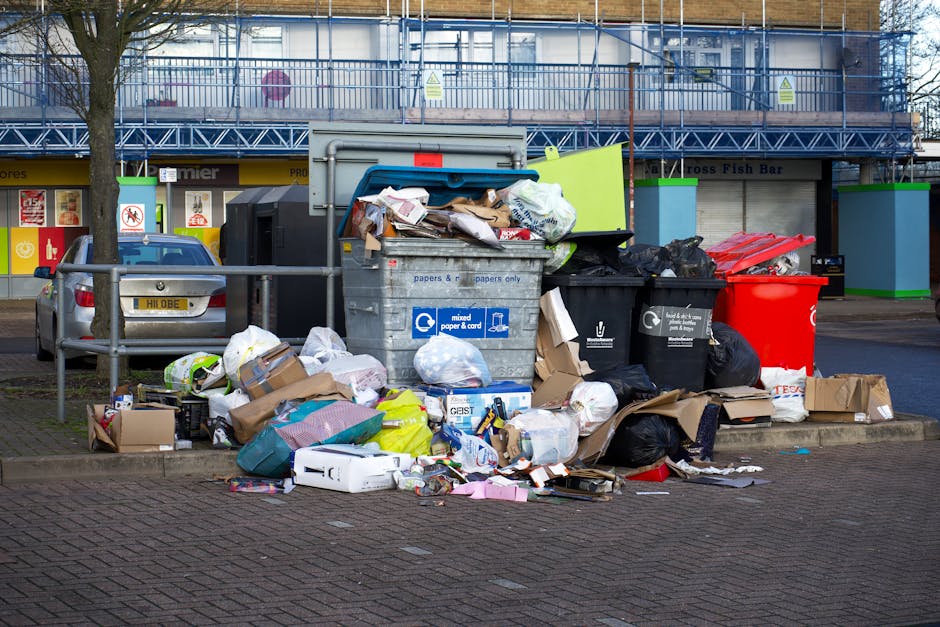
Quick waste tips for Eccleston Square residents, Pimlico
If you live around Eccleston Square, you already know the rhythm of the area: elegant streets, busy weekday footfall, tight access in some buildings, and not much patience for clutter hanging around the hallway. Quick waste tips for Eccleston Square residents, Pimlico are really about making everyday clearance simpler, safer, and less stressful. Whether you are clearing a flat, getting rid of old furniture, sorting post-renovation debris, or just trying to stop the bin area becoming a minor battlefield, a few sensible habits can save time and bother.
To be fair, most waste problems do not start big. It is usually one chair too many, a box of mixed junk in the corner, or a loft full of "I'll deal with that later" items. Then suddenly the pile is in your way, the lift is booked, and you are trying to work out what goes where. This guide breaks the process into practical steps, with local context for Pimlico residents and clear advice on when a professional service makes sense.
For broader service support, you may also find the main waste removal page useful, especially if you want a quick overview before deciding what needs lifting, sorting, or collecting.
Table of Contents
- Why Quick waste tips for Eccleston Square residents, Pimlico Matters
- How Quick waste tips for Eccleston Square residents, Pimlico Works
- Key Benefits and Practical Advantages
- Who This Is For and When It Makes Sense
- Step-by-Step Guidance
- Expert Tips for Better Results
- Common Mistakes to Avoid
- Tools, Resources and Recommendations
- Law, Compliance, Standards, or Best Practice
- Options, Methods, or Comparison Table
- Case Study or Real-World Example
- Practical Checklist
- Conclusion
- Frequently Asked Questions
Why Quick waste tips for Eccleston Square residents, Pimlico Matters
Eccleston Square is the sort of place where waste can become awkward quickly. Flats may have limited storage, basement areas are not always ideal for piling up bags, and larger items can be a nuisance in shared entrances or narrow stairwells. A "quick tip" approach matters because it helps you act before waste becomes a bigger job than it needed to be.
There is also the local reality of urban living. In a busy part of Pimlico, you usually want the bin routine to be neat, predictable, and low-drama. Nobody wants a corridor cluttered with old office chairs, broken shelves, or mixed bags that should have been separated days ago. The quicker you sort waste at source, the easier it is to recycle, remove, or store safely until collection.
Another reason it matters is that waste is often tied to other household changes. Maybe you have just finished a room refresh, are preparing a tenancy handover, or have inherited furniture that simply does not fit. In those moments, good waste habits stop the whole process from snowballing. That is especially helpful in properties where access needs a bit of planning, because let's face it, the building does not magically make itself more spacious.
A practical waste routine also supports cleaner communal areas, fewer pest issues, and less risk of blocked exits. And if you are managing a flat, a home, or a small business in the area, the same logic applies: quick sorting now usually means less stress later.
How Quick waste tips for Eccleston Square residents, Pimlico Works
At its simplest, the process is: identify the waste, separate what can be reused or recycled, choose the right removal method, and get it out of the property without creating extra mess. That sounds straightforward, but the details matter.
Start by grouping items into a few clear categories. For example:
- General rubbish that cannot be reused
- Recyclable materials like cardboard, paper, and some plastics
- Reusable goods such as furniture, storage items, or decor
- Bulky waste that needs lifting and transport
- Special items that may need extra care, such as fragile glass or electricals
That simple sorting step reduces mistakes. It also helps you decide whether the job is a quick bag-and-bin task, a scheduled collection, or a more complete clearance. If the waste is mostly household clutter, a home clearance service may be the right fit. If you are clearing a whole property or preparing for a move, house clearance can be a better match.
For bulky items like sofas, wardrobes, tables, and old cabinets, it is often safer to avoid dragging things down stairs on your own. A dedicated furniture disposal or furniture clearance service can reduce the risk of damage to walls, lifts, and your back. Truth be told, that last one is usually the biggest selling point.
The process also depends on access. In Pimlico, access can be the deciding factor: ground-floor flats are a different story from top-floor properties with tight stairwells. Good planning means checking what needs to move first, how much space is available, and whether items should be dismantled before collection.
Key Benefits and Practical Advantages
The obvious benefit is speed, but there are several others that are easy to overlook until you need them.
Less clutter, faster decisions. Once waste is grouped properly, you can see what is actually there. That sounds basic, but it helps you avoid keeping things "just in case" for another six months.
Better use of space. Eccleston Square homes and flats often need storage to work hard. Clearing dead space in a spare room, airing cupboard, loft, or hallway makes day-to-day living feel calmer. A tidy room really does change the mood of a place.
Lower risk of damage. Packing waste carelessly can scratch floors, mark painted walls, or block access routes. Careful lifting, proper sacks, and sensible staging prevent a lot of avoidable wear and tear.
Improved recycling outcomes. When materials are separated early, it is easier to divert useful items away from general waste. That is where services with a clear sustainability focus are helpful, such as the company's recycling and sustainability approach.
Less stress on collection day. Anyone who has tried to sort a mixed pile at the last minute knows the feeling: one minute you are ready, the next you are hunting for tape, bags, and gloves. A simple plan avoids the scramble.
More suitable for local building rules. Shared entrances, timed access, and neighbours nearby all reward tidy, efficient clearance habits. Quick waste tips are not only about speed; they are about being considerate too.
Who This Is For and When It Makes Sense
This kind of practical waste advice is useful for a lot of people, not just anyone with a big clear-out on their hands.
- Residents in flats and mansion blocks who need to manage limited storage and shared access
- Homeowners dealing with clutter, furnishings, or occasional bulk items
- Landlords and letting agents preparing a property between tenancies
- Tenants who need to clear personal items quickly before moving out
- Small businesses with office furniture, packaging waste, or archive removal needs
- People renovating who suddenly discover builders' waste takes up far more room than expected
Sometimes the clue is simple: if you are looking at waste and thinking, "I can deal with this, but not in one go," then a structured approach will help. Other times, it is less about quantity and more about awkwardness. A single heavy cabinet on a narrow landing can be more difficult than four bags of light rubbish. That is where judgment matters.
If your situation includes old fixtures, offcuts, plasterboard, timber, or packaging from a renovation, the builders waste clearance service is worth considering. If it is a workplace rather than a home, the dedicated office clearance and business waste removal pages are more relevant.
Step-by-Step Guidance
Here is a practical way to handle waste quickly without making the job messier than it needs to be.
- Walk the space first. Do a quick sweep of the flat, basement, loft, or office. Note bulky items, trip hazards, and anything that might need two people to move.
- Sort by category. Separate recyclables, reusable items, general waste, and bulky pieces. Use boxes, bags, or clear floor zones so the piles do not blend together again five minutes later.
- Decide what can be donated or reused. If something is clean, functional, and safe, it may be better passed on than thrown away. This is especially true for furniture and household goods.
- Break down what you can. Flat-pack furniture, loose shelving, and simple fixtures often take up much less room once dismantled. Keep screws and fittings together in one labelled bag.
- Protect the property. Lay down old sheets or cardboard if you are moving items through a corridor. It is a small move, but it saves scuffs.
- Bundle the waste for easy collection. Keep like with like. Heavy items should be stable, and bags should not be overfilled. Nobody likes a bag that splits halfway to the door.
- Choose the right service or route. For a compact clear-out, a general flat clearance can be ideal. For larger domestic jobs, house clearance may suit better. For single furniture pieces, use the furniture-specific options.
- Confirm timings and access. Check lift availability, parking constraints, entry codes, and any building rules before collection day. In an area like Eccleston Square, this step saves real time.
If you are dealing with storage spaces, do not forget lofts and garages. Those are classic "quickly become not quick" jobs. For attic clutter, the loft clearance page may be a better fit. For more enclosed overflow areas, garage clearance can be useful.
Expert Tips for Better Results
A few small habits can make a huge difference. Really, huge.
Tip 1: Keep a "maybe" box separate. Items you are undecided about tend to slow everything down. Put them in one labelled box and revisit them after the main clearance. It is much easier than pausing every two minutes to debate an old lamp.
Tip 2: Photograph bulky items before moving them. This helps if you need to confirm what is being removed, especially for rentals, office records, or insurance reference. A quick phone photo also stops confusion if several people are involved.
Tip 3: Clear access first. If the route out is blocked by shoes, coats, plants, or boxes, start there. Opening the path makes the rest of the task feel almost easy.
Tip 4: Treat waste by weight and shape, not just by type. A small pile of bricks is a very different job from a few bags of paper. Likewise, one awkwardly shaped wardrobe may take more effort than a dozen lighter items.
Tip 5: Plan around neighbours and shared spaces. A quiet morning slot is often better than a late rush when communal hallways are busy. That bit of courtesy goes a long way in residential buildings.
Tip 6: Ask about recycling before you assume landfill. A responsible provider should be clear about sorting and disposal methods. If environmental handling matters to you, look at the company's recycling and sustainability information before booking.
Tip 7: Use professional help for awkward lifting. Heavy mirrors, filing cabinets, appliances, and mixed builder waste are where injuries and property damage tend to happen. No heroics needed, honestly.
Common Mistakes to Avoid
Most waste jobs go wrong for the same few reasons. The good news? They are easy to avoid once you know them.
- Mixing everything together. Recycling becomes harder, and the pile becomes more chaotic.
- Leaving sorting until collection day. That is when small jobs suddenly become stressful.
- Overfilling bags or boxes. Heavy, split, or unstable loads create avoidable mess and safety issues.
- Forgetting access constraints. A narrow stairwell or timed entry window changes the whole plan.
- Ignoring dismantling opportunities. Items that can be broken down safely should usually be broken down safely.
- Underestimating hidden waste. Behind a wardrobe, inside a loft, or under a desk there is often more material than expected.
- Using the wrong service for the job. A single item removal is not the same as a full property clearance.
There is also a quiet mistake people make all the time: assuming "quick" means "no planning." It doesn't. Quick waste management works best when the decisions are made early and the lifting is simple by the time anyone starts moving things.
Tools, Resources and Recommendations
You do not need a warehouse full of kit to manage waste well. A few basic tools are usually enough.
- Heavy-duty bags for general rubbish and smaller loose items
- Strong boxes for books, files, cables, and mixed household items
- Labels or marker pens to keep categories clear
- Protective gloves for handling rough edges, dust, or broken packaging
- Blankets or cardboard to protect walls, floors, and lifts during movement
- Screwdrivers and basic tools for safe dismantling of simple furniture
- Measuring tape to check whether items will fit through doors and corridors
For residents wanting a cleaner route from clutter to clearance, it can help to work with a provider that explains its process clearly. The pricing and quotes page is useful if you want to understand how estimates are handled before committing. If payment security is on your mind, the company also sets out its payment and security information in plain terms.
If you are comparing providers, check whether they publish practical support pages such as about us, insurance and safety, and health and safety policy. Those pages are not just formalities. They tell you whether the business is organised and whether it takes safe handling seriously.
Law, Compliance, Standards, or Best Practice
Waste removal in the UK is not something to treat casually. You do not need to memorise legislation to make sensible choices, but you should follow basic best practice.
That means using a reputable service, making sure waste is handled responsibly, and avoiding fly-tipping or careless disposal. If someone offers to take your waste away cheaply and leaves you uncertain about where it is going, that is a red flag. The cheapest option can become expensive in the wrong way.
For householders and landlords, the practical approach is simple:
- Keep records of what is removed if the job is part of a tenancy or property handover
- Check that the provider can explain how waste is sorted or transferred
- Be clear about any items that may need special handling
- Ask questions if you are unsure about access, lifting, or liability
For businesses, the standards are even more important. Commercial waste should be managed with appropriate care, and the right service depends on volume, timing, and the type of material involved. If your workplace is involved, the business waste removal and office clearance services are the more relevant starting points.
It is also worth checking the provider's support documentation. Pages such as terms and conditions, complaints procedure, and accessibility statement can give a useful sense of how the company communicates and handles issues. Not glamorous, maybe, but it matters.
Options, Methods, or Comparison Table
Choosing the right waste method usually comes down to scale, speed, and how much lifting you want to do yourself. Here is a straightforward comparison.
| Method | Best for | Pros | Considerations |
|---|---|---|---|
| Self-sorting and bin disposal | Small amounts of household waste | Low cost, flexible timing | Time-consuming, limited for bulky items |
| Flat or home clearance | Mixed clutter, furniture, and household items | Good balance of speed and convenience | Needs clear access and item list |
| Furniture disposal or clearance | Sofas, beds, wardrobes, desks | Removes awkward heavy items safely | May need dismantling or access planning |
| Builders waste clearance | Renovation debris and site offcuts | Useful for heavy, messy, mixed materials | Some materials need extra care |
| Office clearance | Desks, filing, chairs, and workplace clutter | Efficient for business moves and upgrades | May require scheduling around working hours |
If you are unsure, start with the biggest or most awkward items first. That choice usually tells you which method fits best. For example, if your problem is mainly a few old chairs and one desk, furniture-focused removal may be enough. If the whole room needs attention, a broader flat or home clearance is probably better.
Case Study or Real-World Example
A typical Eccleston Square scenario goes like this. A resident has just finished a room refresh in a second-floor flat. There are two old bedside tables, an unused armchair, several boxes of packaging, and a loose pile of items from the wardrobe that never really had a home in the first place. Nothing dramatic. But enough to get in the way.
Instead of trying to manage everything in one rushed sweep, the resident sorts the items into four groups: keep, donate, recycle, and remove. The packaging goes first because it is light and easy. The smaller items are boxed. The armchair and bedside tables are measured, checked for door clearance, and scheduled for collection. One side note turns up during sorting: a few cables and chargers that had been sitting in a drawer for years. Classic.
By handling the waste in stages, the resident avoids blocking the hallway and keeps the building tidy. The collection day is quicker because the route is clear and the items are already ready to go. That is the real value of fast waste tips. They do not just save time; they make the whole job feel more manageable.
A similar pattern shows up in office settings too. A small Pimlico office clearing out old filing and seating will usually move faster if the team sorts items before the crew arrives. With the right planning, an awkward clear-out becomes a structured job instead of a chaotic one.
Practical Checklist
Use this quick checklist before you start. It keeps the job moving and helps you avoid the usual hiccups.
- Identify the waste type: household, furniture, office, garden, or builders' waste
- Separate recyclable, reusable, and general waste
- Measure bulky items and check doorways, stairs, and lifts
- Clear a safe path to the exit
- Gather gloves, bags, tape, labels, and basic tools
- Decide what needs dismantling before removal
- Confirm access times, parking, and entry instructions
- Keep fragile or sharp items wrapped and labelled
- Check whether any items need special handling
- Choose the service that matches the scale of the job
Expert summary: The fastest waste jobs are usually the ones that are sorted before anyone starts lifting. Clear categories, clear access, and the right removal method save time every single time. It sounds simple because, mostly, it is.
For residents with outdoor overflow or post-gardening debris, the garden clearance page may also help. It is one of those services people forget about until the shed, pots, and cuttings are suddenly everywhere.
Conclusion
Quick waste tips for Eccleston Square residents, Pimlico are really about making waste easy to live with. Sort early, keep access clear, use the right service for the right job, and do not let small piles become big ones. That approach saves time, reduces stress, and makes your home or workplace feel more orderly without much fuss.
In a neighbourhood where space, access, and neighbourly consideration all matter, a little planning goes a long way. Whether you are clearing one bulky item or a whole flat, the goal is the same: get the job done cleanly, safely, and without unnecessary drama. And honestly, that is a relief.
If you are ready to turn a cluttered room, awkward furniture pile, or mixed waste problem into a straightforward clearance, the next step is simple.
Get a free quote today and see how much you can save.
Sometimes the best move is just getting the first bag out of the way. The rest tends to follow.
Frequently Asked Questions
What is the quickest way for Eccleston Square residents to deal with household waste?
The quickest method is usually to sort waste into clear groups first: recycle, reuse, general rubbish, and bulky items. Once you do that, the rest becomes much faster because you are not making decisions at the last minute.
Can I remove bulky furniture myself in a Pimlico flat?
Sometimes, yes, but it depends on size, weight, and access. A light chair is one thing; a wardrobe or sofa in a narrow stairwell is another. If there is any risk of damage or injury, professional furniture removal is usually the safer call.
What should I do with items that might be reusable?
Set them aside before you mix everything with general waste. Clean, working items may be suitable for donation, resale, or reuse. Even if you do not keep them, separating them early helps you avoid sending useful things straight to disposal.
Is flat clearance better than home clearance for a small property?
Often, yes. If you live in a flat and the job involves mixed household items, flat clearance can be the more relevant option. If the whole property needs clearing, home or house clearance may be a better fit.
How do I know if I need builders waste clearance?
If your waste includes timber, rubble, plasterboard, offcuts, tiles, packaging from a renovation, or other construction leftovers, builders waste clearance is likely the right choice. Mixed renovation waste is often heavier and messier than people expect.
Are there special concerns for waste removal in shared buildings?
Yes. Shared entrances, lift use, stairwells, and noise all need a bit of planning. It helps to choose a low-disruption collection time and keep access routes clear. Neighbours appreciate it too, which never hurts.
What if I only have one or two large items?
If it is just a couple of bulky pieces, furniture disposal may be more suitable than a full clearance. It is usually the simplest way to avoid overpaying for a bigger service than you need.
How can I prepare for a waste collection quickly?
Start by moving items into one area, measuring anything large, and clearing the route to the door. Label what is staying and what is going. A few minutes of prep can save a lot of back-and-forth on the day.
What should I look for in a waste company?
Look for clear pricing, straightforward communication, proper safety information, and sensible policies. Helpful pages like about us, insurance and safety, and pricing and quotes are all good signs.
Is recycling really worth the extra effort?
Usually, yes. It does not have to be complicated, but separating recyclable materials makes disposal cleaner and more responsible. If a provider supports better sorting and disposal practices, that is a strong plus.
Can I book waste removal for a business in Eccleston Square as well?
Yes. Small offices, studios, and commercial premises often need their own version of quick waste planning. In those cases, business waste removal or office clearance is usually the best starting point.
What if I am not sure which service I need?
That is common. Start with the type of waste, the volume, and how awkward it is to move. If you still feel unsure, contact a local provider and describe the items plainly. A good team should help you match the job to the right service without making it complicated.