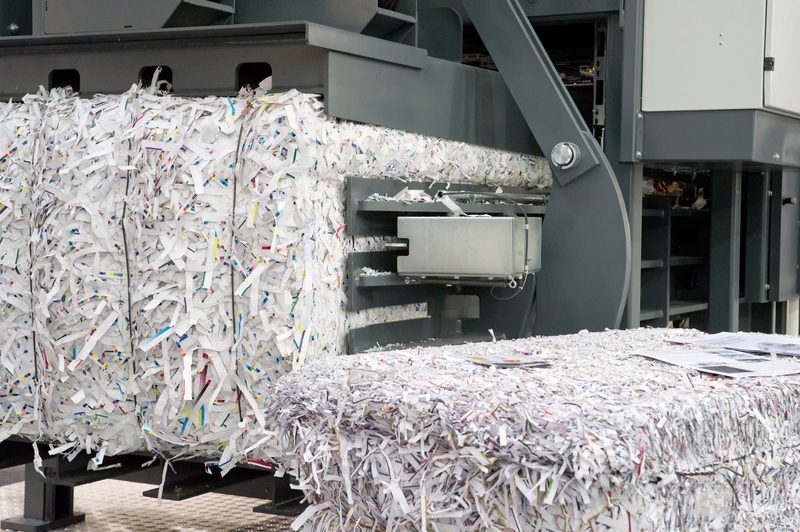
Turn Your Cardboard Waste Into a Green Resource

Cardboard is everywhere--under your kitchen table after a grocery delivery, stacked behind your shop on a Friday night, or piled in the warehouse after a product launch. It arrives clean and useful, then quickly becomes a bulky, awkward mess. But here's the twist: with a few smart moves, you can turn that heap of cardboard waste into a clean, revenue-generating, genuinely green resource. Think lower disposal costs, fewer bins, better ESG reporting--and, to be fair, a tidier place to work. You can hear the satisfying crunch as a box goes flat, and in that little sound lies a bigger change.
In this comprehensive guide, we'll show you exactly how to turn your cardboard waste into a green resource--at home, in the office, or across a multi-site operation. We'll cover practical setup, UK compliance, the economics (including rebates), quality control, and a realistic case study. It's friendly, honest, and full of expert detail you can act on today.
Table of Contents
- Why This Topic Matters
- Key Benefits
- Step-by-Step Guidance
- Expert Tips
- Common Mistakes to Avoid
- Case Study or Real-World Example
- Tools, Resources & Recommendations
- Law, Compliance or Industry Standards (UK-focused)
- Checklist
- Conclusion with CTA
- FAQ
Why This Topic Matters
Cardboard feels simple--and it is, mostly. But the scale is huge. In the UK, millions of tonnes of paper and cardboard packaging are placed on the market annually, and government data has consistently shown paper and cardboard packaging recycling rates above 70% in recent years. That's encouraging, yet the last mile often fails: wet boxes, food contamination, mixed materials, or poor storage turn a valuable resource into expensive waste. When you turn your cardboard waste into a green resource, you unlock real environmental and financial gains.
On the climate side, recycling cardboard reduces demand for virgin fibre and the energy used in pulping and processing. Estimates vary with methodology, but recycling one tonne of cardboard can avoid roughly 1-2 tonnes of CO2e compared with landfill or virgin production pathways. It's not magic; it's just the cumulative effect of smarter material management. You'll feel it in your budget too--lower general waste pickups, better container utilisation, and sometimes a rebate for clean bales of OCC (old corrugated containers).
Customer expectations are shifting as well. People want to see visible, credible steps--clean recycling points, clear signage, and staff who know what goes where. It's not about perfection. It's about proving you're trying, you're learning, and you're improving. Ever tried clearing a room and found yourself keeping everything "just in case"? Cardboard can be a bit like that. But once you set a system, it just flows.
A quick micro moment: It was raining hard outside that day, wind rattling the metal shutter. We moved a stack of dry bales under a simple canopy we'd put up the week before. No smell of damp paper, no mess. The recycler took the load without a quibble. Small changes--big difference.
Key Benefits
When you commit to turning your cardboard waste into a green resource, you'll notice wins across sustainability, operations, and costs. Here's what typically improves:
- Lower disposal costs: Cardboard is light but bulky. Flattening and segregating reduces general waste bin volume and pickup frequency.
- Potential revenue: Clean, dry OCC can attract rebates. Market rates fluctuate, but ?60-?120 per tonne is a realistic range across the UK depending on quality and market conditions.
- ESG and reporting: Better recycling rates, clearer evidence for audits, and alignment with the waste hierarchy--prevent, reuse, recycle before recovery or disposal.
- Cleaner, safer sites: Fewer loose boxes means less trip risk and fewer blocked exits. Fire load is easier to manage when baled and stored correctly.
- Brand trust: Customers and staff see visible action, not vague promises. It's practical sustainability--and it shows.
- Operational efficiency: Standardised processes and training save time. Clean, clear, calm. That's the goal.
- Scope 3 engagement: Work with suppliers to right-size packaging and reduce over-boxing. Incremental improvements add up.
Truth be told, the first week takes a bit of effort. After that, it becomes muscle memory.
Step-by-Step Guidance
This is your practical roadmap to genuinely turn your cardboard waste into a green resource--at home, in a shop, or across a larger operation.
1) Run a quick waste audit
- Map sources: Where does cardboard appear? Goods-in? E-commerce returns? Kitchen deliveries? Home parcels?
- Measure volume: Estimate weekly weight or bale count. For homes, count average boxes per week.
- Spot contamination: Food residues, grease, liquids, or plastic films mixed in.
- Check storage: Is it kept dry? Is it flattened? Is access safe?
In our experience, a 20-minute walk-through with a notepad can save thousands over a year. No kidding.
2) Reduce before you recycle
- Right-size packaging: Ask suppliers for smaller boxes or adjustable cartons. Over-boxing creates "air shipments" and extra waste.
- Reusable totes and crates: For internal movements and short supply loops, these beat single-use every time.
- Return schemes: Some distributors take back outer cartons if kept clean and flat--ask.
Ever looked at a tiny item in a huge box and sighed? You're not alone. Fixing that is low-hanging fruit.
3) Segregate at the source
- Dedicated bins or cages: Label them clearly as "Cardboard Only" with examples--good and bad.
- Keep it dry: Moisture ruins value. Protect with a canopy or store indoors. Avoid placing bins near dishwash areas or open yards.
- Remove obvious non-cardboard: Plastic film, bubble wrap, polystyrene, and strapping go elsewhere. A little tape is usually fine.
You could almost smell the faint cardboard dust in the air when we first set up a baling station--then it settled. Order replaced chaos.
4) Flatten, stack, and--if viable--bale
- Flatten boxes: A quick slice of the tape, a satisfying push--job done. It saves space and reduces manual handling.
- Choose a baler size: Small balers produce 30-80 kg bales; mid-size 120-250 kg; mill-size 300-500 kg. Match to your volume and access.
- Strap tightly: Use strong polyester or wire strapping. Loose bales can break during pickup.
For smaller sites, stacking flattened boxes in a cage and booking weekly pickups might be more practical than baling. It's about fit, not gold stars.
5) Store safely and smartly
- Off the ground: Pallets or racks prevent rising damp.
- Under cover: A lean-to or indoor bay protects quality.
- Fire safety: Maintain clear aisles, away from heat sources, and follow your fire risk assessment. Don't block exits. Please don't.
6) Book collections and maintain paperwork
- Licensed carriers: Use a registered waste carrier for business collections; keep their license number on file.
- Waste Transfer Notes (WTNs): For each non-hazardous transfer, complete a WTN with EWC code 15 01 01 (paper and cardboard packaging).
- Weighing and rebates: Request weighbridge tickets; agree on grade and pricing in advance.
On a rainy Tuesday in London, a driver turned up early. Because the bales were dry and paperwork ready, the whole pickup took 14 minutes. Quick in, quick out.
7) Explore reuse, repair, and repurpose
- Void fill: Shred clean cardboard to protect products in shipping.
- Box reuse: Reuse intact cartons for returns or internal storage with relabels.
- Community sharing: Post on local groups--people moving house love free boxes.
8) Compost and garden use
- Brown material: Cardboard is "brown" in composting, balancing wet "greens." Shred or tear to speed breakdown.
- No heavy inks or plastic: Avoid waxed boxes, metallic inks, or thick tape. Remove plastic windows.
- Sheet mulch: Lay flat cardboard under mulch to suppress weeds. Works a treat in raised beds.
There's a simple joy in turning last week's delivery box into next month's compost. Slow magic. Real results.
9) Close the loop with procurement
- Specify recycled content: Ask for FSC/PEFC-certified and high-recycled-content cartons.
- Right-weighting: Choose appropriate board grades--don't over-spec to be "safe."
- Supplier scorecards: Track packaging performance: % recycled content, returnability, damage rates.
10) Track, report, improve
- KPIs: Recycling rate (%), contamination rate, collection frequency, cost per tonne handled.
- Training refreshers: 10 minutes quarterly keeps standards high.
- Feedback loop: Invite ideas from staff--they spot issues first.
It's kinda wild how quickly behaviour sticks once the bins are clear, the signs are big, and the team knows the why.
Expert Tips
- Moisture is money: Use a simple moisture meter if you bale. High moisture lowers grade and price; dry bales sell better.
- Grade to EN 643: Aim for OCC (11) quality: clean, not mixed with brown kraft sacks or board with heavy wax coatings.
- Seasonality matters: Q4 spikes in e-commerce create more OCC; some markets soften in summer. Negotiate flexible pricing or review quarterly.
- Safe cutting: Provide safety knives for box cutting; fewer injuries, fewer lost hours.
- One-point drop-off: Designate a single cardboard station per area to reduce cross-site contamination.
- Visual standards: Post photos of acceptable vs non-acceptable materials. People remember pictures better than paragraphs.
- Routine checks: A 2-minute daily walk-by to keep the area tidy. If it's tidy, it stays tidy.
- Leverage rebates smartly: Combine locations to reach bale minimums or use a broker for smaller volumes.
Yeah, we've all been there--thinking "we'll sort it later." Later rarely comes. Build it into today.
Common Mistakes to Avoid
- Letting cardboard get wet: Damp fibre clumps, moulds, and drops in value. Keep it dry. Always.
- Mixing materials: Coffee cups, food residues, cling film--contamination pushes loads to general waste.
- Overpacking bales with the wrong material: OCC mixed with glossy board or plastic string can be rejected.
- Blocking fire exits: Never store bales in escape routes. Do a quick weekly fire walk.
- No paperwork: Missing WTNs or carrier checks can lead to fines and reputational risk.
- Poor signage: If staff are guessing, contamination rises. Clear, friendly signs win.
- Ignoring peaks: Plan for Black Friday, Christmas, or promo weeks with extra bins or pickups.
Small confession: we once stored a bale near a roller shutter "just for a day." It stayed three. Never again.
Case Study or Real-World Example
Case: Independent Cafe in East London
Before: The cafe received deliveries in multiple small boxes daily. Cardboard went into general waste, overfilling bins by Thursday. Costs were up; the back alley was messy, and on wet days everything turned to mush. Staff rolled their eyes when "recycling" was mentioned, because, to be fair, there was nowhere to put it.
After: We introduced a simple system.
- One labelled cage for flattened cardboard by the back door, under a small canopy.
- Staff training: 8 minutes, including a quick demo on flattening and removing plastic film.
- Weekly cardboard-only pickup; WTNs filed digitally.
Results over 12 weeks:
- General waste pickups reduced by 25%.
- Back-of-house floor space freed up (less clutter, safer routes).
- Customer-facing story: "Your box became our compost or tomorrow's cup holder." People smiled, genuinely.
Case: E-commerce Warehouse in the Midlands
Before: High daily volumes of OCC from inbound goods. Boxes were semi-flattened, stored uncovered near a loading bay. Occasional rain meant rejected loads and lost rebates. Staff were frustrated by messy piles and unclear processes.
After:
- Installed a mid-size baler producing 200-250 kg bales; created a covered bay.
- Set visual standards to EN 643 OCC, introduced moisture checks, and trained a "bale champion."
- Negotiated a quarterly price review with a local recycler and agreed bale specs in writing.
Results over 6 months:
- Rebates improved by 12-18% thanks to better quality (dry, clean bales).
- Forklift movements reduced by consolidating storage.
- Audit-ready records for ESG reporting and buyer assurance.
One small human moment: the first time the bale popped out perfectly, everyone cheered. It's a thing of beauty, honestly.
Tools, Resources & Recommendations
To consistently turn your cardboard waste into a green resource, a few simple tools and reliable references help.
Equipment
- Balers: Choose size by volume and access. Small: 30-80 kg bales. Mid: 120-250 kg. Mill-size: 300-500 kg. Consider rental if cash flow is a concern.
- Compactors or cages: For low-to-medium volumes without balers; wheeled cages ease handling.
- Canopy/shelter: Keeps fibre dry--quality protected, value preserved.
- Safety knives and gloves: Reduce injury risk during flattening.
- Strapping and pallets: Secure bales for transport; store off the ground.
- Moisture meter: Optional but handy for quality assurance.
- Scales or weighbridge access: Track outputs by weight for reporting.
Operational aids
- Signage packs: Photo-led do/don't posters in staff areas.
- Simple SOPs: One-page instructions at the baler and goods-in.
- Digital records: Keep WTNs, licenses, and weights in a shared drive or compliance software.
Standards and references
- EN 643: European List of Standard Grades of Paper and Board for Recycling--defines quality categories like OCC.
- WRAP guidance: Practical UK resources on recycling systems and signage.
- Environment Agency (England): Duty of Care, waste transfer notes, and carrier registration.
- FSC/PEFC: Responsible sourcing for virgin and recycled content.
- ISO 14001: For environmental management systems that include waste processes.
- Carbon Trust and GHG Protocol: Methods to calculate and report emissions reductions.
Law, Compliance or Industry Standards (UK-focused if applicable)
The UK regulatory framework is straightforward once you know what to look for. Here's the essentials that keep you compliant while you turn your cardboard waste into a green resource:
- Duty of Care (Environmental Protection Act 1990, s34): Businesses must store, handle, and transfer waste responsibly. Use suitable containers, prevent leaks and windblown litter, and avoid mixing waste streams.
- Waste (England and Wales) Regulations 2011--Waste Hierarchy: You must apply the hierarchy: prevention, reuse, recycling, recovery, disposal. Keep a note of how your setup implements this.
- Waste Transfer Notes (WTNs): For each transfer of non-hazardous waste (like cardboard), complete a WTN including SIC code, EWC code 15 01 01, carrier details, and a description of the waste. Keep records for at least two years.
- Licensed waste carriers: Use carriers registered with the relevant regulator (Environment Agency in England; SEPA in Scotland; NRW in Wales; DAERA in Northern Ireland).
- Storage and fire safety: Follow your fire risk assessment; don't obstruct exits. Larger waste storage may require a Fire Prevention Plan--check EA guidance if operating as a waste site.
- Packaging EPR (Extended Producer Responsibility): The UK is phasing in Packaging EPR. If you place packaging on the market and meet threshold criteria, you may need to report packaging data and pay fees. Check current GOV.UK guidance for thresholds and timelines.
- Quality standards--EN 643: Align your OCC grade to meet buyer specs and minimise rejections.
For households, local council guidance is king--most offer kerbside cardboard collections. Keep it dry and flat, remove plastic windows where asked, and check specific rules on items like pizza boxes.
Checklist
Quick, practical, and printable. Use this to turn your cardboard waste into a green resource starting today:
- Map sources of cardboard (goods-in, e-comm, kitchen, home deliveries).
- Choose segregation points and bins/cages; place signs.
- Train the team: flatten boxes, remove films, keep it dry.
- Decide: cage collection or baler? Match size to volume.
- Protect storage with a canopy or indoor bay; store on pallets.
- Set collection schedule; verify carrier license; complete WTNs.
- Agree bale/grade specs and pricing with recycler; ask for weights.
- Track KPIs monthly: weights, costs, rebates, contamination.
- Review at peak periods; add capacity temporarily.
- Close the loop with suppliers: right-size and specify recycled content.
Repeat monthly: what worked, what didn't, what's next. Progress over perfection.
Conclusion with CTA
Cardboard doesn't have to be clutter. With a few practical changes--good signage, dry storage, the right containers--you can quickly turn your cardboard waste into a green resource. The payoff is immediate: fewer general waste pickups, tidier spaces, happier auditors, and a story your team and customers can believe in. It's the kind of sustainability that feels good because it's real. You can hear the difference in the quiet hum of a tidy back-of-house.
Get a free quote today and see how much you can save.
And if today was messy--no judgement. Tomorrow can be better. One box at a time.
FAQ
How do I start turning my cardboard waste into a green resource with minimal fuss?
Begin by placing a clearly labelled cardboard-only bin where the boxes appear, train staff to flatten and remove plastic film, and keep it dry. Book a weekly collection or use your council's kerbside. Simple wins first--refine later.
Can pizza boxes be recycled in the UK?
Lightly soiled pizza boxes are accepted by some councils; heavily greasy or food-smeared boxes are not. When in doubt, tear off the clean lid for recycling and put greasy sections into food waste or general waste, or compost if appropriate.
Do I need to remove all tape and labels from cardboard?
No. Most recyclers can handle small amounts of tape and labels. Remove large plastic films, thick vinyl tapes, and any bubble wrap or polystyrene inserts to maintain quality and value.
Is a baler worth it for my business?
If you generate regular volumes (e.g., several cages per week), a baler often pays for itself via reduced disposal costs and potential rebates. For low volumes, stick with cages and scheduled cardboard-only pickups. Run a quick cost comparison first.
What's a fair price for OCC (old corrugated containers) in the UK?
Market rates fluctuate. A ballpark of ?60-?120 per tonne is common for clean, dry OCC, but quality, moisture, bale size, and market conditions can swing prices. Agree specs and review pricing quarterly.
How dry does cardboard need to be?
As dry as you can keep it. Moisture lowers fibre quality, adds weight (which some buyers penalise), and can lead to mould. Store indoors or under a canopy, off the ground, and away from dishwash or open yard areas.
Can I compost cardboard at home?
Yes--shred or tear plain, non-waxed cardboard and mix it with green materials to balance moisture. Avoid glossy coatings, metallic inks, and plastic windows. Cardboard also works well as a weed-suppressing mulch under woodchip.
What paperwork do UK businesses need for cardboard collections?
You need a Waste Transfer Note (WTN) for each non-hazardous transfer, using EWC code 15 01 01. Keep records for at least two years, and use a registered waste carrier. Digital WTNs are widely accepted and easy to manage.
What are the most common contamination issues to avoid?
Food residues, coffee cups with plastic linings, cling film, polystyrene, and wet or waxed boxes. A little ordinary tape is fine, but keep plastic films and foils out. Clear signage helps massively.
How can I close the loop and buy greener boxes?
Specify FSC/PEFC-certified cartons with recycled content, right-size your packaging to reduce void space, and test lighter board grades where appropriate. Ask suppliers for data on recycled content and damage rates.
What bale size is best for small sites?
For low-to-medium volumes, a small vertical baler producing 30-80 kg bales is easy to operate and site. If you've got regular high volumes and space, 200-400 kg bales reduce handling and improve rebates.
Any tips to manage seasonal peaks (e.g., Christmas, sales)?
Add temporary cages, schedule extra pickups, and brief staff in advance. If you bale, stock extra strapping and plan safe overflow storage indoors or under cover. Peaks are predictable--treat them like planned projects.
What carbon savings can I claim from cardboard recycling?
Estimates vary by methodology, but recycling one tonne of cardboard typically avoids roughly 1-2 tonnes of CO2e compared with landfill or using virgin fibre. Use recognised methods (GHG Protocol, Carbon Trust tools) and state your assumptions.
I live in a small flat--any quick wins?
Flatten boxes immediately, store in a dry cupboard or under-bed box, and use your council's kerbside weekly. Offer large moving boxes on local groups--they disappear quickly and get a second life.
How do I keep pests away from stored cardboard?
Keep it clean and dry, rotate piles frequently, and don't store near food waste. Use pallets or racks off the ground and maintain good housekeeping around loading doors.
Is "turning cardboard waste into a green resource" mainly about recycling?
Recycling is a big part, but the full picture includes reduction (right-size packaging), reuse (void fill, box reuse), composting where suitable, and buying smarter. That's how you build a resilient, circular setup.
Take a breath. You've got this. One neat stack of boxes at a time.