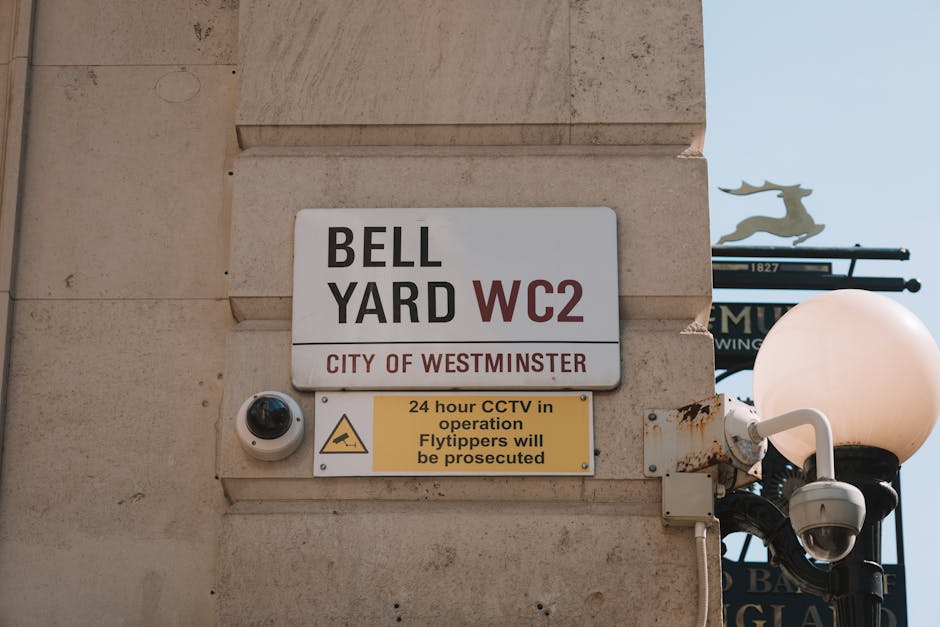
Why Westminster Council fines happen for fly-tipping in Pimlico
If you live, work, or manage property in Pimlico, fly-tipping is one of those problems that can go from annoying to expensive very quickly. A single bag left beside a bin, a sofa dumped outside a terrace, or builders' rubble abandoned after a rush job can all lead to questions about who is responsible. And that is exactly why Westminster Council fines happen for fly-tipping in Pimlico: the council needs to protect streets, keep public spaces safe, and discourage illegal dumping before it spreads.
The tricky part is that many people do not realise how easily a fine can be triggered. It is not always about a dramatic midnight dump. Sometimes it is about poor waste handling, a missed collection, or hiring the wrong person to remove rubbish. In this guide, we will break down how council enforcement usually works, what causes penalties, what to do instead, and how to avoid those awkward, costly mistakes. No fluff. Just the practical stuff you actually need.
For businesses, landlords, homeowners, and contractors, this matters even more in a busy London area like Pimlico, where space is tight, enforcement is visible, and one careless moment can leave a mess on a narrow street for everyone to see. Let's face it, a pile of waste outside a mews or block of flats stands out instantly.
Table of Contents
- Why Westminster Council fines happen for fly-tipping in Pimlico matters
- How Westminster Council fines happen for fly-tipping in Pimlico works
- Key benefits and practical advantages
- Who this is for and when it makes sense
- Step-by-step guidance
- Expert tips for better results
- Common mistakes to avoid
- Tools, resources and recommendations
- Law, compliance, standards, and best practice
- Options, methods, and comparison table
- Case study or real-world example
- Practical checklist
- Conclusion
- Frequently asked questions
Why Westminster Council fines happen for fly-tipping in Pimlico matters
Fly-tipping is not just an eyesore. In Pimlico, it can block pavements, attract more dumping, create trip hazards, and slow down waste crews, residents, and local businesses. Westminster Council fines happen because illegal dumping creates a public cost that someone has to deal with, and that someone is usually the council, residents, or nearby property owners.
There is also a knock-on effect that people overlook. One dumped mattress can become two. Then a broken table appears. Then a bag of mixed waste. It snowballs. Before long, a quiet corner looks neglected, and the whole street feels less cared for. That is why councils treat it seriously. They are not just reacting to rubbish; they are trying to stop a pattern.
For households, the risk is often accidental rather than deliberate. For businesses and landlords, the risk can be stronger because waste responsibility is expected to be organised, documented, and handled properly. If your waste is left where it should not be, or if it is handed to an unlicensed collector, you may still face the consequences. Unfair? Sometimes. But it is the reality many people learn the hard way.
One local observation worth making: in tight London streets, waste is noticed fast. A bag left "just for a minute" on a Friday evening may still be there on Saturday morning, photographed by a passer-by, and reported before you have even had your coffee.
How Westminster Council fines happen for fly-tipping in Pimlico works
In plain English, a fine usually happens when the council believes waste has been deposited illegally or transferred in a way that breaches local waste rules. That can include rubbish left on the street, waste placed beside communal bins without permission, or household and business waste dumped in a public area.
Enforcement can begin in a few different ways. A resident reports a mess. A council officer sees it during patrols. CCTV or other evidence links the waste to a person, vehicle, or property. Once that happens, the council may investigate who left the waste, who arranged its removal, and whether paperwork or duty-of-care checks were in place.
Not every case ends the same way. Sometimes it is a warning. Sometimes a fixed penalty notice. Sometimes the matter escalates if the waste is large, repeated, hazardous, or tied to commercial activity. The exact outcome depends on the facts, and that is why careful handling matters from the start.
The most common misunderstanding is this: "I didn't dump it there, so it's not my problem." Sadly, it often is your problem if the waste came from your property, your business, your contractor, or your hired collection arrangement. Responsibility can travel further than people expect.
If you are clearing out furniture or general household items, a proper service such as house clearance or flat clearance can help you stay on the right side of things by ensuring items are taken away in an organised, traceable way. For offices, office clearance and business waste removal are usually more appropriate than leaving anything for "later". Later tends to become never.
Key benefits and practical advantages
Avoiding fly-tipping fines is obviously the headline benefit, but the real gains are broader than that. Proper waste handling saves time, reduces stress, and protects your reputation. In a place like Pimlico, where neighbours notice detail, clean and orderly waste management can make a genuine difference to how your property or business is perceived.
There are also practical upsides to using a planned removal approach rather than improvising:
- Lower risk of enforcement issues because waste is collected and removed properly.
- Better record-keeping for landlords, businesses, and contractors.
- Less disruption on busy streets and shared entrances.
- Safer handling of awkward items, sharp materials, or heavy loads.
- Cleaner handover when a flat, office, or property is being vacated.
If you are dealing with bulky items, combining services can be efficient. For example, a mix of old chairs, shelving, and broken desks may fit better with furniture disposal or furniture clearance than with a general "leave it out and hope" approach. That may sound obvious, but plenty of people still try the hope method. It rarely ages well.
There is also a human benefit: peace of mind. You know where the waste has gone, who handled it, and what happened next. That matters when someone later asks, "Whose rubbish is this?"
Who this is for and when it makes sense
This topic matters to more people than you might think. It is not only for people who have already received a council warning. It is for anyone who wants to avoid a stressful, preventable situation.
- Homeowners clearing out lofts, garages, gardens, or spare rooms.
- Tenants and flat residents dealing with bulky items in shared buildings.
- Landlords and letting agents handling end-of-tenancy clearances.
- Businesses and offices replacing furniture or removing archived waste.
- Builders and tradespeople generating rubble, packaging, or renovation waste.
- Anyone arranging clearance on behalf of someone else, which is where confusion often starts.
It makes sense to think about fines before the waste is moved, not after. If you are already standing next to a pile of broken items and wondering where they should go, that is your signal to pause and plan. In our experience, the people who get into trouble are often the ones moving quickly at the end of a tiring day. The last hour of a clearance can be the sloppiest. Funny how that happens.
For more specialised clearances, it can help to use the right service from the start. Builders' waste is not the same as old sofas. Garden waste is not the same as office stock. A sensible match matters, especially when the collection must be done cleanly and without leaving traces behind. For renovation work, builders waste clearance is often the better fit. For overfull outdoor areas, garden clearance may be more appropriate.
Step-by-step guidance
If you want to reduce the chance of a fine, the safest route is simple, but it needs doing properly. Here is a practical step-by-step approach that works well for most Pimlico homes and businesses.
- Identify exactly what needs to go. Separate furniture, general waste, builders' debris, garden waste, and anything potentially hazardous.
- Check whether the waste came from your property or your activity. That sounds basic, but it matters if questions come up later.
- Keep items on private property until removal. Do not place them on the pavement "just to make space".
- Use a proper collection method. Choose a service that can handle the type and volume of waste safely.
- Ask for clear documentation where relevant. This is especially important for business waste and larger clearances.
- Make sure access is planned. Narrow entrances, top-floor flats, and shared stairwells can create delays if nobody has thought it through.
- Check the area afterwards. A tidy finish is not a luxury; it is part of avoiding complaints and council attention.
If you are dealing with a bigger property reset, a combined clearance can be more efficient than piecing things together. Services such as home clearance, garage clearance, or loft clearance are often used when items have accumulated over time and need sorting properly.
One small but useful habit: take a quick photo of the waste before and after collection. Not glamorous, but useful. If there is ever a dispute, you will be glad you did.
Expert tips for better results
There are a few habits that consistently reduce risk and make waste removal smoother. These are not dramatic, but they save trouble.
- Keep waste separate by type. Mixed piles are harder to assess, harder to move, and easier to mishandle.
- Do not rely on vague verbal arrangements. If someone says they can "take it later", make sure the process is clear and legitimate.
- Use one responsible point of contact. Too many people giving instructions often leads to items being left behind.
- Plan for awkward items first. Sofas, wardrobes, filing cabinets, and rubble usually create the most friction.
- Be careful with shared spaces. Stairwells, bin stores, and forecourts are common complaint zones.
Another good habit is to think in terms of end destination, not just removal. Where is the waste going? Is it being reused, recycled, or disposed of responsibly? If sustainability matters to you, it should matter in the removal process too. The page on recycling and sustainability is a helpful reminder that waste management is not just about getting things out of sight.
A slightly old-fashioned but effective tip: if a job feels rushed, slow it down. Rushed clearances create the kind of small errors that attract attention later. A bin left open. A bag split. A chair dragged across a shared hallway. Tiny things, big consequences.
Common mistakes to avoid
Most fly-tipping fines are not caused by some grand criminal plan. They happen because of ordinary mistakes that snowball. Here are the ones we see most often in practical terms.
- Leaving waste outside too early. Even if collection is planned, waste placed in public view can become a reportable issue.
- Using unverified collectors. If the person taking your waste dumps it elsewhere, you may still face questions.
- Mixing business and household waste. Different rules and expectations apply, especially for commercial premises.
- Assuming a neighbour, tenant, or contractor "sorted it". Assumptions are expensive. Not always, but often enough.
- Ignoring bulky item problems. One broken wardrobe in a hallway can become a nuisance complaint fast.
- Forgetting about access and timing. Waste left in communal space overnight is one of the easiest ways to invite trouble.
There is also a reputational mistake: treating waste as an afterthought. In a neighbourhood like Pimlico, tidy streets are part of the local character. A careless pile of rubbish stands out because the surrounding area is usually so neat. That contrast is exactly what gets noticed.
Tools, resources and recommendations
You do not need a complicated toolkit to deal with waste properly, but a few simple resources make the process far easier.
- Basic sorting containers or sacks for keeping waste types apart.
- A measuring tape or rough volume estimate so you can judge whether the load is small, medium, or substantial.
- Photos of the items and access route for planning and record-keeping.
- A written list of what is included so nobody is surprised on collection day.
- Clear access instructions for flats, offices, or shared properties.
For businesses, it is also wise to keep internal responsibility clear. One manager should know who arranged the waste removal, what was collected, and when. That simple chain of responsibility helps a lot if a query comes later. If you want to compare service options or budget for a clearance, pricing and quotes is a sensible place to start.
If you are handling more sensitive sites, such as offices with papers or mixed contents, take extra care with storage, access, and handover. A good process tends to be boring. That is a compliment, honestly. Boring is what you want here.
Law, compliance, standards, and best practice
This is the section where people often want a neat, exact answer, but waste law and council enforcement can depend on the details. So the safest wording is this: if waste is abandoned, placed unlawfully, or handed to someone who does not handle it properly, enforcement action may follow. For businesses and landlords, there is usually a stronger expectation to keep track of who removed the waste and how it was managed.
Best practice in the UK generally means keeping waste contained, using a legitimate collection route, and maintaining a clear record of what happened. For commercial waste especially, duty-of-care expectations are taken seriously. In practical terms, that means you should know who removed the waste, what type it was, and where it was headed.
Where property is shared, the risk can be higher because it is easier for waste to be left in a communal area and then reported as fly-tipping. Stairwells, bin stores, entrance paths, and rear mews access points are common pressure points. That is not unique to Pimlico, but the density of the area makes it more visible.
If you are ever unsure whether an item can be left, stored, or collected in a particular way, it is better to pause than guess. Guessing is a surprisingly expensive hobby in waste management.
Options, methods, and comparison table
People often ask whether they should handle waste themselves, use a specialist collection, or wait for a standard bin service. The right answer depends on volume, item type, access, and how quickly it needs to go.
| Method | Best for | Pros | Risks or limits |
|---|---|---|---|
| Self-moving waste | Very small amounts from private property | Flexible and simple for minor clear-outs | Easier to make mistakes, especially with heavy or bulky items |
| Scheduled council collection | Routine waste streams and approved bulky arrangements | Familiar process, usually straightforward when booked correctly | Not always suitable for urgent, mixed, or large clearances |
| Specialist clearance service | Furniture, mixed household waste, office contents, builders' waste | Better for access, speed, and tidier removal | Requires planning and clear instructions |
| Leaving waste on the street | Nothing, really | None worth recommending | High risk of complaint, enforcement, and a mess for everyone |
To be fair, once you look at it like that, the choice is pretty obvious. The problem is not that people lack options. It is that they often choose the fastest-looking option, not the safest one.
Case study or real-world example
A typical Pimlico scenario goes like this. A resident clears out a top-floor flat after a tenancy ends. There is an old sofa, a small wardrobe, two broken chairs, and some mixed bags from the hallway cupboard. The removal is delayed because the lift is busy and the exit route is narrow. The items are temporarily placed near the front entrance "just for the afternoon".
By early evening, a neighbour notices the pile near the pavement edge and assumes it is abandoned. The next morning, the waste has been moved slightly by wind and passers-by. A photo is taken. A complaint is lodged. Now there is a question about whether the waste was fly-tipped or simply left out in the wrong place for too long.
That is the sort of situation where a fine or enforcement action becomes possible. Not because the original intention was bad, but because the handling was careless. If that same clearance had been arranged with a proper service, the items could have been removed in one organised visit, with less chance of public exposure.
The lesson is plain: the location of the waste matters almost as much as the waste itself. On a quiet private landing, you have time. On a visible Pimlico street, you do not have much time at all.
Practical checklist
Use this checklist before any waste is moved from your property.
- Have I identified the exact waste type?
- Is the waste staying on private property until collection?
- Do I know who is responsible for removal?
- Have I chosen a suitable clearance method?
- Are access routes clear and safe?
- Do I have any notes, photos, or item lists?
- Is the waste likely to need separate handling, such as furniture, builders' waste, or office contents?
- Will the area be left tidy after removal?
- Could this create a complaint if left too long?
- Am I confident the waste will not be abandoned somewhere else after collection?
If you can answer yes to the first nine and confidently to the last one, you are usually in a much safer position. If not, pause and plan properly. That small delay can save a big headache.
Get a free quote today and see how much you can save.
Conclusion
Why Westminster Council fines happen for fly-tipping in Pimlico usually comes down to a mix of visibility, responsibility, and poor waste handling. A street-level dump, a poorly timed placement, or the wrong collection arrangement can all lead to enforcement. The good news is that most of it is preventable with a bit of planning.
Keep waste on private property until it is collected. Use the right service for the right type of material. Keep records where they matter. And if you are dealing with a larger clear-out, do not leave it to chance. A tidy, lawful process is not complicated once you set it up properly.
In a neighbourhood like Pimlico, that kind of care shows. It protects the street, keeps neighbours happier, and saves you from a problem that really should have stayed simple in the first place.
Frequently Asked Questions
What counts as fly-tipping in Pimlico?
Fly-tipping usually means leaving waste somewhere it should not be left, such as a pavement, alley, communal area, or other public space. It can include bags, furniture, rubble, and mixed household or business waste.
Can I get fined if I did not personally dump the waste?
Yes, in some situations you can still face questions if the waste came from your property, your business, or your contractor. Responsibility can be broader than people expect, especially if you arranged the removal carelessly.
Why do Westminster Council fines happen so quickly?
They can happen quickly because waste left in public view is easy to report, easy to photograph, and often easy to spot during patrols. In a busy area like Pimlico, there is not much room for waste to sit unnoticed.
Does leaving rubbish beside a bin count as fly-tipping?
It can, depending on the circumstances. If waste is left next to a bin rather than in an approved container or collection point, it may still be treated as illegal dumping or improper disposal.
How can I avoid a fly-tipping fine when clearing a flat?
Keep items inside the property until collection, sort them properly, and use a suitable clearance service. A planned flat clearance is usually much safer than leaving items outside to deal with later.
Are businesses treated differently from households?
Often, yes. Businesses are generally expected to manage waste more formally, keep better records, and arrange proper removal. That is especially relevant for offices, shops, and contractors.
What should I do if I find dumped rubbish outside my property?
Do not move it into another public area. Keep a record of the location and report it through the correct local route if needed. If the waste is yours or linked to your activity, arrange safe removal as soon as possible.
Is bulky furniture more likely to cause problems?
Yes, bulky items are one of the most common triggers for complaints because they are hard to ignore. Sofas, wardrobes, desks, and mattresses are visually obvious and can block access very quickly.
Do I need paperwork for waste removal?
For business waste, paperwork or records are especially important. Even for household clearances, it helps to keep notes about what was removed and when. A simple record can save time if there is a question later.
What is the safest way to remove builders' waste in Pimlico?
The safest way is to keep it contained, separate it from household waste, and use a suitable collection route. A dedicated builders waste clearance option is often the cleaner choice for renovation debris.
Can fly-tipping happen on private land too?
Yes, waste can be dumped on private land as well as public spaces. Even if the council fine is not the same in every case, it can still create a serious cleanup problem and may need prompt removal.
What is the best first step if I am worried about a fine?
The best first step is to stop the waste from being exposed in a public area and arrange proper removal. If you are unsure how to handle the items, start with a trusted local service and get the process organised before the pile becomes a problem.